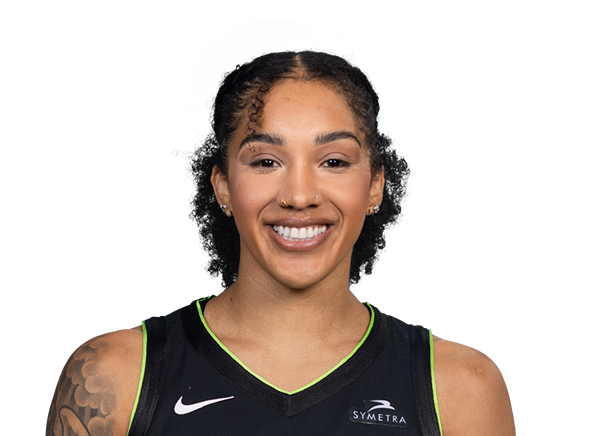
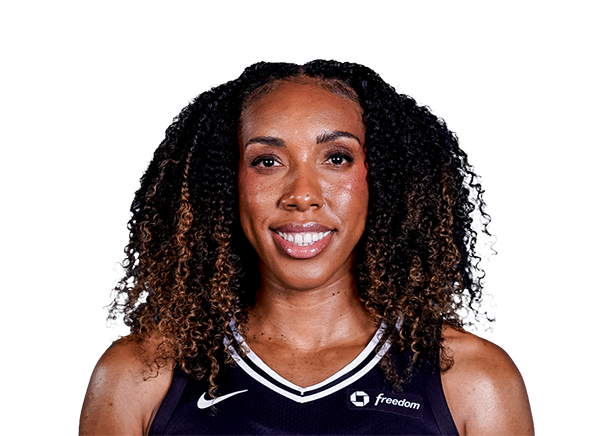
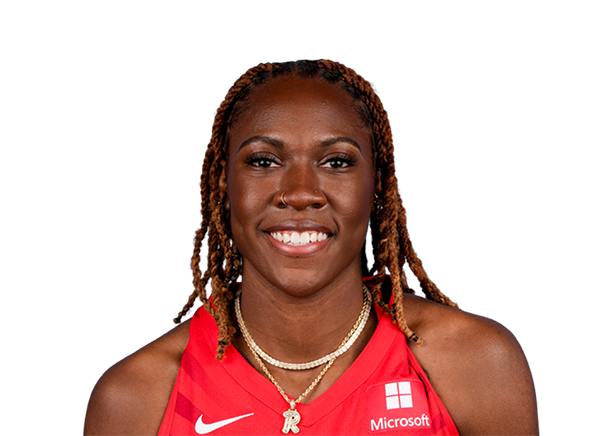
Assists allowed to CPast line · O 1.5 · Assists · Fliff
—Incomplete dataAssists
1 game
Frequently asked questions
What is WNBA defense vs position?
Defense vs position shows what a defense has allowed to opposing guards, forwards and centers. Each average is the total for the entire opposing position group per team game, rather than an average for one player.
How are the WNBA defensive rankings calculated?
We total the recorded stats for each opposing position in each game, then average those totals over the selected window. Each defense is compared with teams that have complete data for that position and stat. Guards include PG/SG; forwards include SF/PF. Hybrid positions use the primary listed position, and centers stay separate.
Does #1 mean a tough or soft matchup?
Rank #1 means the fewest of the selected stat; the highest rank means the most. The comparison count can vary with data coverage. Red indicates fewer recorded and green indicates more, which is context for that prop's Over. Turnovers forced, steals conceded and blocks conceded describe those specific opponent outcomes, rather than overall defensive weakness.
How can I use this for WNBA player props?
Start with the opponent's stats for the player's position, then check the player's role, workload, recent results and posted line. Open a player to research the matching prop. A favorable rank is historical context, not a projection or a pick.
Which games are included in these rankings?
Rankings use recorded games from the displayed WNBA season. The matchup list follows today's Eastern-time slate. On days without a new slate, the page retains the latest available slate, date and season statistics. Player context is retained for past matchups. Any stored line is labeled Past line; otherwise, recorded participants appear without an invented line. If neither is available, players from the team's latest recorded game appear as Recent lineup; their participation in the displayed matchup is unconfirmed.
Why might a defense or stat be unavailable?
Missing position or game data stays unavailable instead of being counted as zero. Rankings require complete position and stat coverage for at least 80% of the comparison teams. Recorded game counts and ties remain available alongside each rank.